Ever pictured yourself stepping out your front door to tree-lined streets, brick stoops, and the buzz of cafés and galleries? If you are weighing a move into Richmond’s historic core, it helps to see the day-to-day clearly. You want the charm, the walkability, and the culture, while understanding parking, renovation realities, and neighborhood rhythms. This guide walks you through what life really feels like, what to expect from homes and amenities, and how to decide if these neighborhoods fit your goals. Let’s dive in.
Richmond’s historic core at a glance
Richmond’s historic core sits in and around downtown, including Shockoe Bottom and Slip, Jackson Ward, Church Hill, Court End, Monroe Ward, The Fan, and nearby areas such as Scott’s Addition and the edges of Carytown. You will find short blocks, mixed-use streets, and a strong concentration of 19th and early 20th century architecture. Many blocks fall within local or national historic districts with exterior design review. The result is a lively urban fabric with residential over retail, civic landmarks, and a true street-level neighborhood feel.
Homes and architecture you’ll see
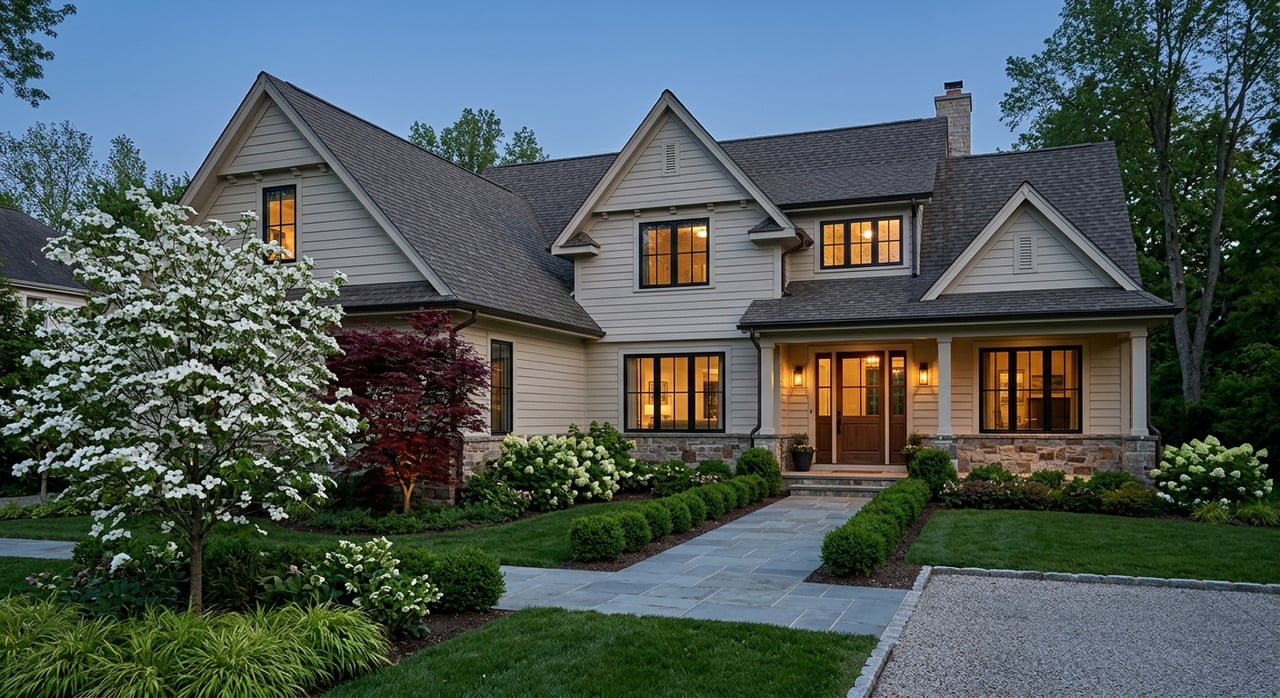
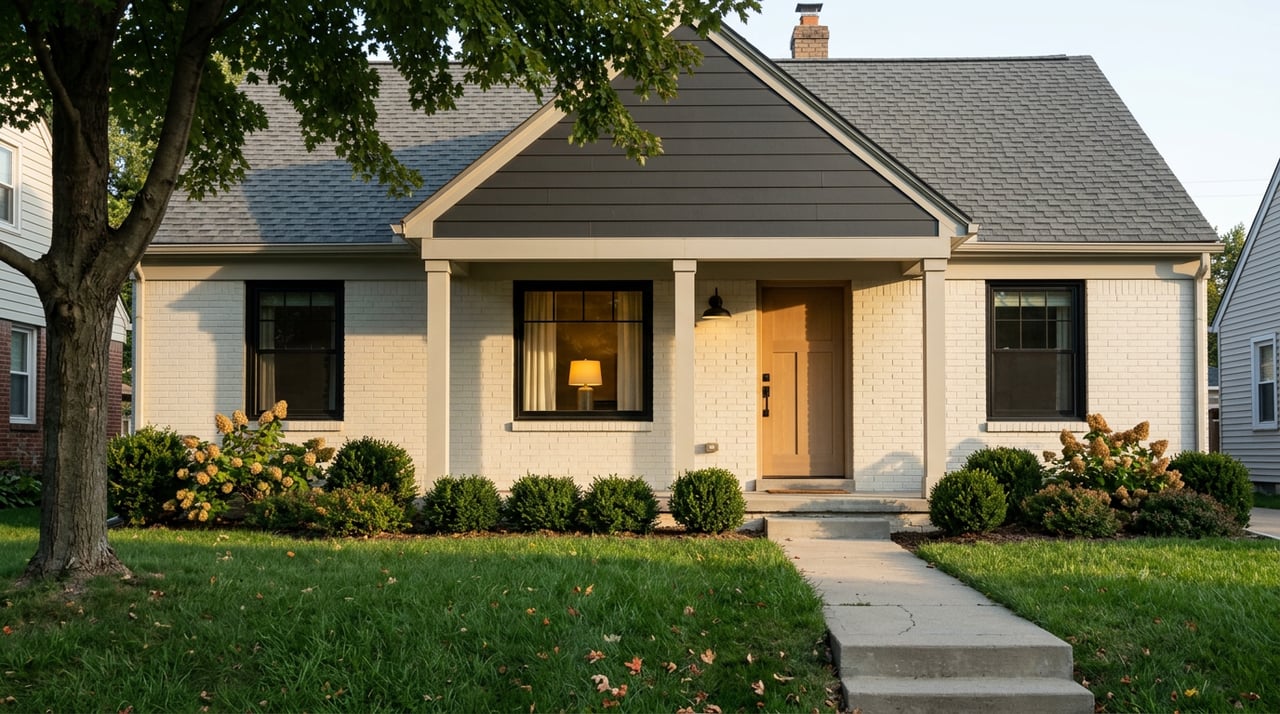
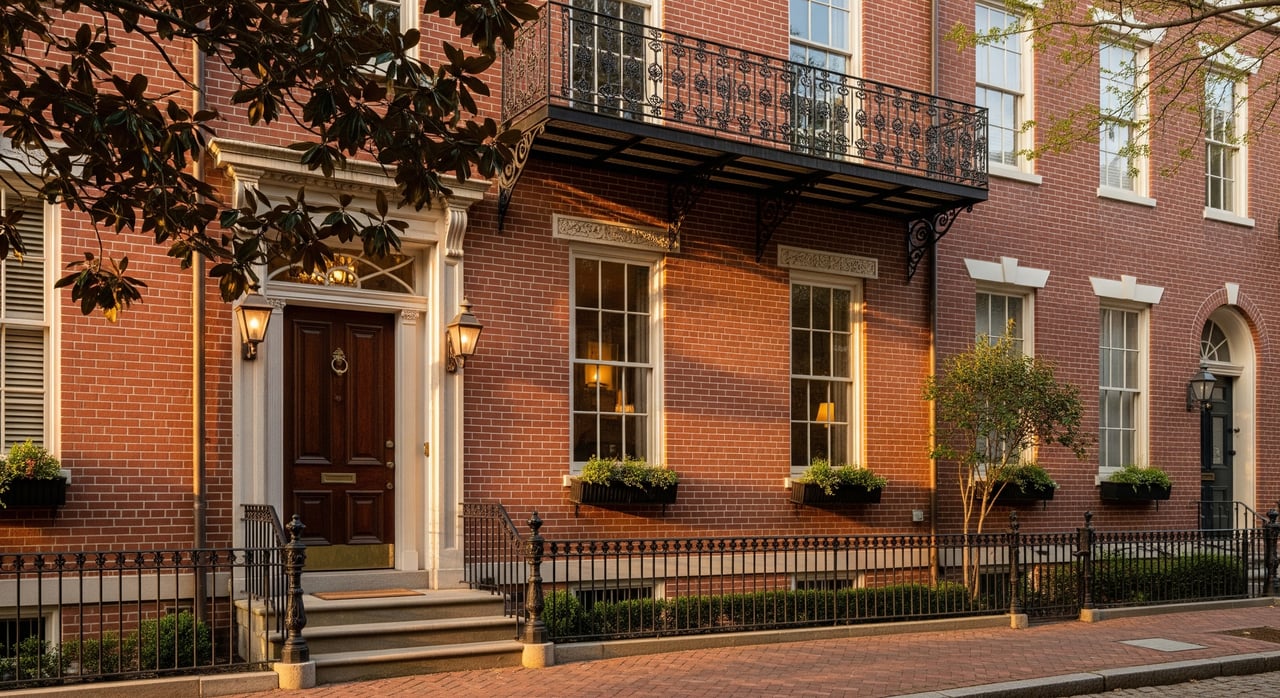
Historic rowhouses and townhomes line many streets, often in brick with stoops and narrow lots. You will also see small and mid-size apartment buildings, lofts in converted warehouses, and new infill condos. The Fan and parts of Church Hill feature late-19th to early-20th century single-family homes with porches and detailed woodwork.
Expect character features like high ceilings, original mantels, and exposed brick in many renovated spaces. Outdoor space varies, and some downtown rowhouses have small or no private yards. If you prefer lock-and-leave living, lofts and condos can reduce exterior maintenance while keeping you close to daily amenities.
Preservation rules 101
Many properties sit within designated historic districts. Exterior changes often require a review and a Certificate of Appropriateness, which can add time and cost to projects. Windows, porches, siding, and additions are common review items, while interior work is typically less restricted. If you plan a renovation, build in extra time and budget to meet local guidelines.
Getting around without the car
Walkability is a major draw. Shops, restaurants, parks, and many workplaces sit within a short stroll on the core’s dense street grid. Blocks in downtown, Monroe Ward, and The Fan are among the most walkable in the region, and many residents structure their days around errands on foot.
Transit is accessible through the GRTC bus network, with downtown serving as a hub for multiple routes. Premium and BRT-style service continues to expand in the region. Many people live comfortably with fewer cars, relying on buses, biking, and rideshares for most trips.
If you like to bike, you will find protected lanes along key corridors and quick access to the Canal Walk and the James River Park System. Recreational rides and bike-commuting are common, especially for short-distance trips.
Parks and river access
Richmond’s outdoor life centers on the river and its hilltop parks. Brown’s Island and the Canal Walk offer broad promenades and frequent events. Monroe Park and Byrd Park provide classic city green space, while Libby Hill Park and Chimborazo Park deliver wide views. The James River Park System and Belle Isle bring trails, boulders, and river access within minutes of many front doors.
If you are considering property near the river or low-lying areas such as parts of Shockoe Bottom, review flood maps and local floodplain rules. Lenders may require flood insurance depending on a home’s location and elevation.
Groceries, shops, and services
Daily needs are part of the mix. You will find independent markets, small grocers, and specialty food shops, especially near Carytown and Scott’s Addition. Larger supermarkets sit within or just outside the core, though some blocks may not have a full-service grocery within a few minutes’ walk.
Banks, co-working spaces, gyms, and small medical and dental offices cluster along Broad, Cary, and near downtown. VCU Health anchors major medical nearby. As new developments come online, more buildings integrate ground-floor retail and convenience services.
Dining, nightlife, and culture
The food scene is diverse and close at hand. Shockoe Slip and Carytown host long-time restaurant corridors, while Scott’s Addition is known for breweries and food halls. Coffee shops, bars, and independent spots keep evenings lively without requiring a drive.
Cultural institutions sit within easy reach. You are near the Library of Virginia, the American Civil War Museum, and a short hop from the Virginia Museum of Fine Arts just west of The Fan. Music venues, galleries, and festivals fill the calendar, with Brown’s Island events drawing crowds throughout the year.
Community rhythms and events
Life here is porch- and stoop-friendly, with neighbors gathering at local cafés and bars and staying active in neighborhood associations. Weekdays see foot traffic from downtown workers and VCU students. Evenings bring energy to dining and entertainment streets, while residential blocks can quiet down earlier.
The Richmond Folk Festival, riverfront festivals, gallery nights, and farmers’ markets are part of the seasonal rhythm. If you value a full community calendar, the core delivers.
Noise and daily trade-offs
Proximity to nightlife, entertainment venues, or major corridors can bring evening noise. Historic windows may be single-pane, so upgrades help reduce street sound. You will also notice early-morning deliveries and event crowds in busier areas.
On balance, the upside is access. You trade some suburban quiet for walkable amenities and 24/7 activity. If quiet nights are a top priority, focus on residential blocks set back from main corridors and ask about window and insulation upgrades.
Buying in the historic core
Price patterns and property types
You will find a wide range of options. Smaller condos and lofts often serve as entry points. Renovated townhouses and larger corner properties tend to command premiums. Proximity to parks, the river, and major employers such as VCU and state government can influence value.
The mix of rental and owner-occupied homes varies by block. Student housing and short-term rentals can shape market dynamics and neighborhood feel. If you value a quieter street, discuss block-level patterns and turnover with your agent.
Market trends and supply
Demand for walkable, in-town living has held steady in recent years. Adaptive reuse of industrial buildings and infill development add homes while preservation and limited vacant land constrain large-scale projects. That balance supports long-term interest but can keep inventory tight in the most coveted streets.
Practical considerations
- Parking: Many rowhouses lack driveways. Expect street permits, municipal garages, or deeded spaces for some condos. Verify any parking that conveys with a sale.
- Inspections: Older homes can hide deferred maintenance in plumbing, electrical, or foundations. A thorough inspection and a healthy contingency are smart.
- Historic district rules: Exterior changes often need approval. Build timelines and cost buffers into your plans.
- Insurance and flood: Homes near low-lying areas may need flood insurance. Confirm requirements with your lender and insurer.
- Condo/HOA fees: For condos and conversions, review fees, what they cover, and reserve funding for building envelopes.
- Utilities and efficiency: Older structures may be less efficient without upgrades. Ask for recent utility averages and confirm HVAC and insulation improvements.
Smart steps before you buy
- Visit at different times of day to gauge noise, traffic, and parking.
- Review recent crime maps and attend a neighborhood meeting for local context.
- Check flood maps if you are near the river or in lower elevations.
- Confirm parking specifics, permit rules, and any deeded spaces.
- Get a full inspection, plus estimates for likely system upgrades.
- For condos, study bylaws, reserves, and planned capital projects.
How it compares to the suburbs
Reasons buyers choose the core:
- Walkability to work, dining, parks, and cultural institutions.
- Shorter commutes to downtown employers and schools like VCU.
- Historic architecture and a strong neighborhood feel.
- Lower-maintenance options like condos and lofts.
Reasons some choose the suburbs:
- Larger yards and more indoor space at similar price points.
- Different school options and metrics across divisions.
- Easier, predictable parking and vehicle storage.
- Newer construction and more uniform neighborhood patterns.
Is the historic core a fit?
If you want a walkable life with character, river access, and a full cultural calendar, Richmond’s historic core delivers. You will balance lively streets and preservation rules with the benefits of short commutes and close-knit neighborhoods. The right match comes from seeing specific blocks at different times, reviewing maps and rules, and running the numbers on maintenance and utilities.
If you are ready to explore, let’s build a plan that fits your timeline and budget. Connect with Josh Harris to tour neighborhoods, compare options, and get a clear path from search to closing. Prefer to start online? Get your instant home valuation and browse available properties.
FAQs
Do you need a car to live in downtown Richmond?
- Many residents walk, bike, and use GRTC for daily errands, while keeping a car for weekend trips or regional drives.
How does parking work in Richmond’s historic neighborhoods?
- Expect limited off-street parking for rowhouses, street permits on many blocks, and deeded or paid garage options with some condos.
What should first-time buyers know about historic-district rules?
- Exterior changes often require review and approval, so plan extra time and budget for windows, porches, siding, and additions.
Are homes near the James River in a flood zone?
- Some lower-elevation areas, including parts of Shockoe Bottom, have flood considerations; check flood maps and lender insurance requirements.
How do city schools factor into an in-town move?
- Richmond Public Schools offers neighborhood and magnet programs; families often review data, tour schools, and compare options across the region.
How stable are property values in the historic core?
- Core neighborhoods are consistently desirable long term, though values still move with broader market cycles and block-level conditions.