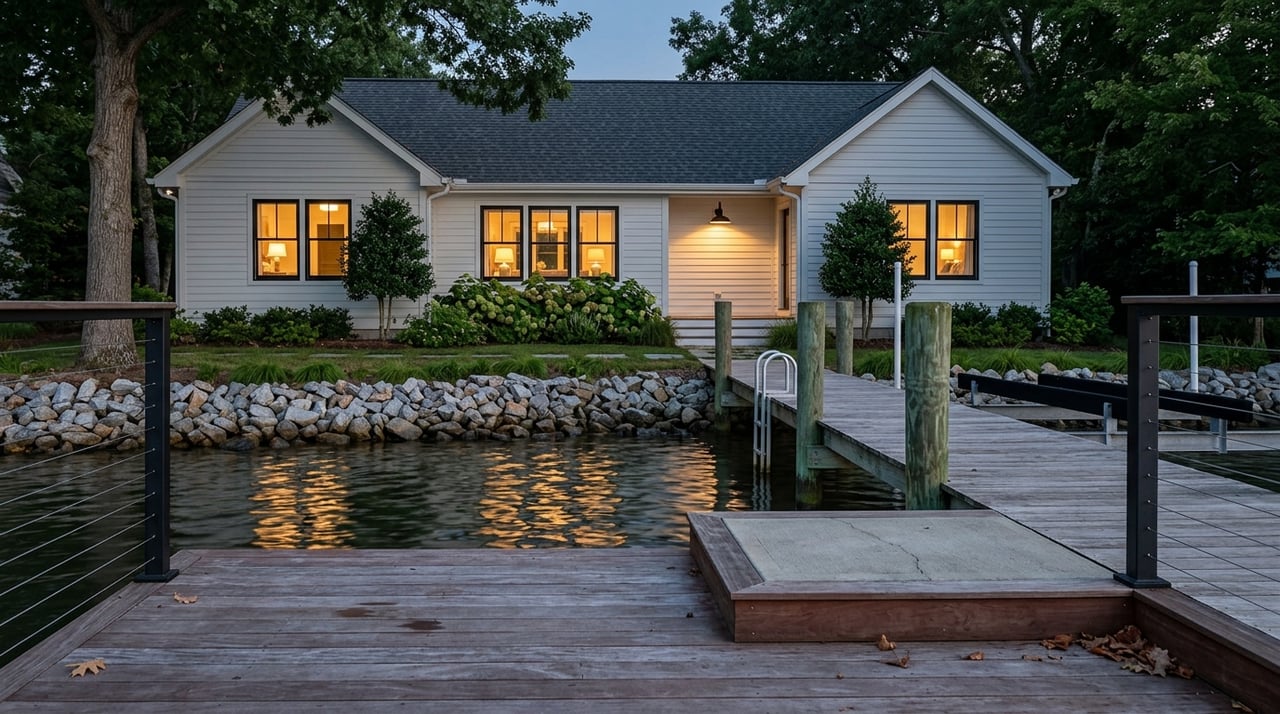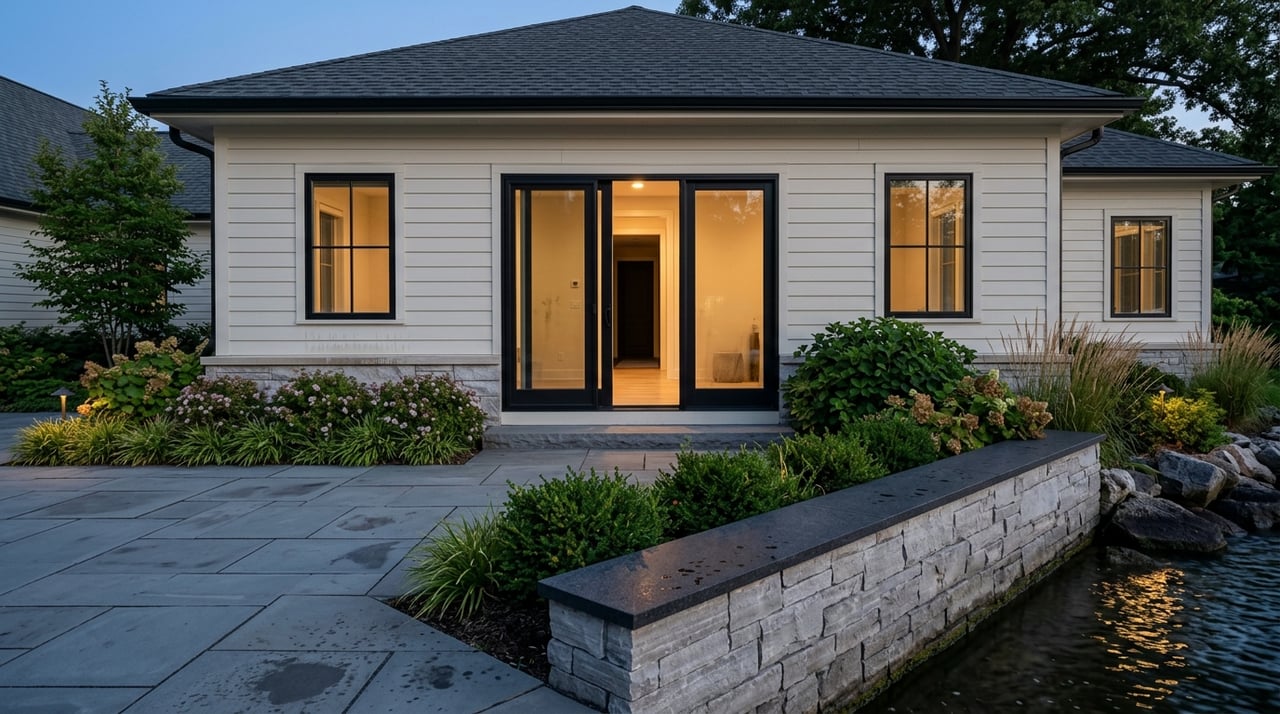
Selling a Lake Anna waterfront home is not the same as selling a typical house in a neighborhood. Buyers are not just looking at square footage and finishes. They are also weighing water access, dock details, shoreline rules, and how the property fits the lake lifestyle. If you want a smoother sale and fewer surprises, it helps to understand what makes this market different before you list. Let’s dive in.
Why Lake Anna sales are different
Lake Anna has features that make waterfront pricing, preparation, and marketing more complex than a standard resale. According to Virginia State Parks and Virginia DWR, Lake Anna is one of Virginia’s largest freshwater inland reservoirs, with broad appeal for buyers coming from Fredericksburg, Richmond, Charlottesville, Northern Virginia, and Washington, D.C.
A major factor is which side of the lake your property is on. The Virginia Department of Wildlife Resources notes that roughly 3,400 acres are private hot-side water, while about 9,600 acres are cold-side water open to public fishing and boating. For buyers, that is not a small detail. It can affect privacy, use, and overall value.
Waterfront sales also tend to be more document-heavy. Louisa County shoreline regulations show that shoreline work and lake structures can involve county requirements, setback documentation, and in some cases Dominion approval. That means buyers often ask more technical questions early in the process.
What buyers want to know first
When a buyer looks at your Lake Anna property, they usually move quickly from the photos to the practical details. They want to know whether the home is easy to enjoy now and whether there are any issues they may need to solve later.
Here are some of the first questions many buyers ask:
- Which side of the lake is the property on?
- Is the dock, boathouse, or shoreline improvement properly permitted?
- Are there shoreline buffer or erosion control requirements?
- What are the well and septic details?
- Are there any county approvals or site limitations that affect use?
These questions matter because waterfront value is tied to more than the house itself. Louisa County guidance on Lake Anna shoreline rules and the county FAQs page make it clear that shoreline, utilities, and land disturbance can influence both timing and buyer confidence.
Start with documents, not just photos
Many sellers think listing prep starts with cleaning and staging. At Lake Anna, the smarter first step is gathering paperwork. If buyers fall in love with the view but cannot quickly get answers about the dock, shoreline, or utilities, momentum can slow down fast.
Before listing, it helps to collect:
- Deed
- Plat
- Survey
- Dock or boathouse records
- Shoreline packet documents
- Well and septic information
- Any county or Dominion approvals tied to the property
This is especially important because Louisa County’s lake structure page calls for items like deeds, plats, setback measurements, and site-specific plans for certain shoreline-related work. Having those records ready helps your listing feel more complete and easier to evaluate.
Prepare the home and the waterfront
Once the paperwork is in order, presentation becomes the next priority. Buyers need to picture themselves enjoying both the home and the outdoor setting.
The National Association of Realtors 2025 Profile of Home Staging found that 83% of buyers’ agents said staging makes it easier for buyers to visualize a property as a future home. The most commonly staged rooms were the living room, primary bedroom, dining room, and kitchen. On the seller side, the most common recommendations were decluttering, deep cleaning, and improving curb appeal.
For a Lake Anna listing, those same ideas should extend outdoors. Your dock, shoreline, lawn, patio, and seating areas are part of the product. Buyers are not only asking, “Do I like this house?” They are also asking, “Can I enjoy this property the way I want to?”
Focus on the highest-impact prep
A few updates usually do more than a long list of small projects. Start with the basics that help buyers see value clearly.
- Declutter the main living areas
- Deep clean the entire home
- Refresh curb appeal
- Highlight the living room, primary bedroom, and kitchen
- Make outdoor spaces feel usable and inviting
- Present the dock and shoreline as clean, safe, and well-maintained
NAR also reported a median staging spend of $1,500 when using a staging service, compared with $500 when the seller’s agent handled staging directly. The report found that many agents saw a 1% to 5% increase in offered value, and 30% reported slight decreases in time on market. For many sellers, that makes prep less of a cosmetic expense and more of a pricing and marketing investment.
Price for waterfront realities
One of the biggest mistakes a seller can make is pricing a Lake Anna home like a standard subdivision property. Waterfront buyers evaluate details that do not show up in a basic square-foot comparison.
A better pricing strategy looks at waterfront-specific factors such as:
- Side of the lake
- Water access and usability
- Dock rights and permitted improvements
- Shoreline condition
- Slope and site usability
- Buildability for lots
- Required approvals or unresolved issues
That matters because two homes with similar size can perform very differently in the market. A property with usable dock access, stable shoreline conditions, and clear records may compete in a different way than one with shoreline work needed or unanswered permit questions.
For lots, buildability can be just as important as the view. Louisa County’s FAQs note that land disturbance over 10,000 square feet can trigger additional erosion and sediment controls, and health department approvals may also be part of the process. That is why lot pricing should start with what can realistically be built and approved, not just the location.
Market to remote and lifestyle buyers
Lake Anna attracts buyers from well beyond the immediate area. Many start their search online, compare properties across regions, and narrow their shortlist before ever scheduling a showing.
That makes strong visual marketing essential. In the NAR 2025 staging report, buyers’ agents said photos, traditional staging, videos, and virtual tours were much more important or more important to their clients. The same report found that buyers who had expectations anticipated viewing a median of 20 homes virtually and 8 in person.
For you as a seller, that means your digital launch matters a lot. High-quality photography, video, and virtual presentation can help remote buyers understand the full property before they visit.
Aerial media should be done professionally
Drone footage can be especially useful at Lake Anna because it helps show shoreline layout, dock placement, water access, and the broader setting. But aerial content should be handled the right way.
The FAA explains that taking photos to help sell a property is a non-recreational use and is generally regulated under Part 107. In simple terms, drone work for a listing should be treated as professional marketing, not an informal extra.
Time your launch around presentation
Seasonality can shape how your property is experienced online. Virginia State Parks notes that Lake Anna is a popular recreational destination and that day-use areas can fill rapidly on summer weekends and holidays.
For sellers, that supports a simple strategy: if possible, capture your strongest hero photos and waterfront visuals when the property looks most usable and inviting. During the active boating season, the dock, shoreline, and water access often photograph especially well.
That said, you do not have to wait for peak summer if the timing is not right. A well-prepared, well-priced home with strong digital marketing can still attract serious buyers in the off-season, especially in a market where many searches begin online.
Confidence comes from fewer surprises
If you want to sell your Lake Anna waterfront home with confidence, your goal is not just getting it listed. Your goal is removing friction before buyers find it.
That means collecting the right documents, preparing the home and the waterfront, pricing around lake-specific realities, and launching with professional visuals that speak to both local and out-of-area buyers. When you do those things well, your property tells a clearer story and buyers can move forward with more certainty.
If you’re getting ready to sell at Lake Anna and want a practical plan built around your property’s details, connect with Josh Harris. You’ll get straightforward guidance, local waterfront insight, and a disciplined approach from preparation through closing.
FAQs
What makes selling a Lake Anna waterfront home different from selling a regular home?
- Waterfront sales often involve extra value factors like hot-side versus cold-side location, shoreline rules, dock details, and utility questions that buyers usually do not ask in a typical neighborhood sale.
What documents should you gather before listing a Lake Anna waterfront property?
- It helps to gather the deed, plat, survey, dock or boathouse records, shoreline documents, well and septic information, and any county or Dominion approvals before the home goes on the market.
How should you price a Lake Anna lakefront home?
- A Lake Anna home should be priced using waterfront-specific comparables and factors like lake side, shoreline usability, dock access, and permitted improvements rather than generic nearby home sales.
Why do dock and shoreline permits matter when selling at Lake Anna?
- Buyers often want to confirm that docks, boathouses, and shoreline improvements were properly approved because missing records or unresolved questions can slow down decisions and contract timelines.
Is staging worth it for a Lake Anna waterfront listing?
- Staging and presentation can help buyers picture both the home and the lake lifestyle, and NAR data shows many agents believe staging can support stronger offers and slightly reduce time on market.
Should you use drone photography to market a Lake Anna waterfront home?
- Drone media can be very helpful for showing the shoreline and water access, but it should be done professionally because FAA rules generally treat listing photography by drone as a business use.