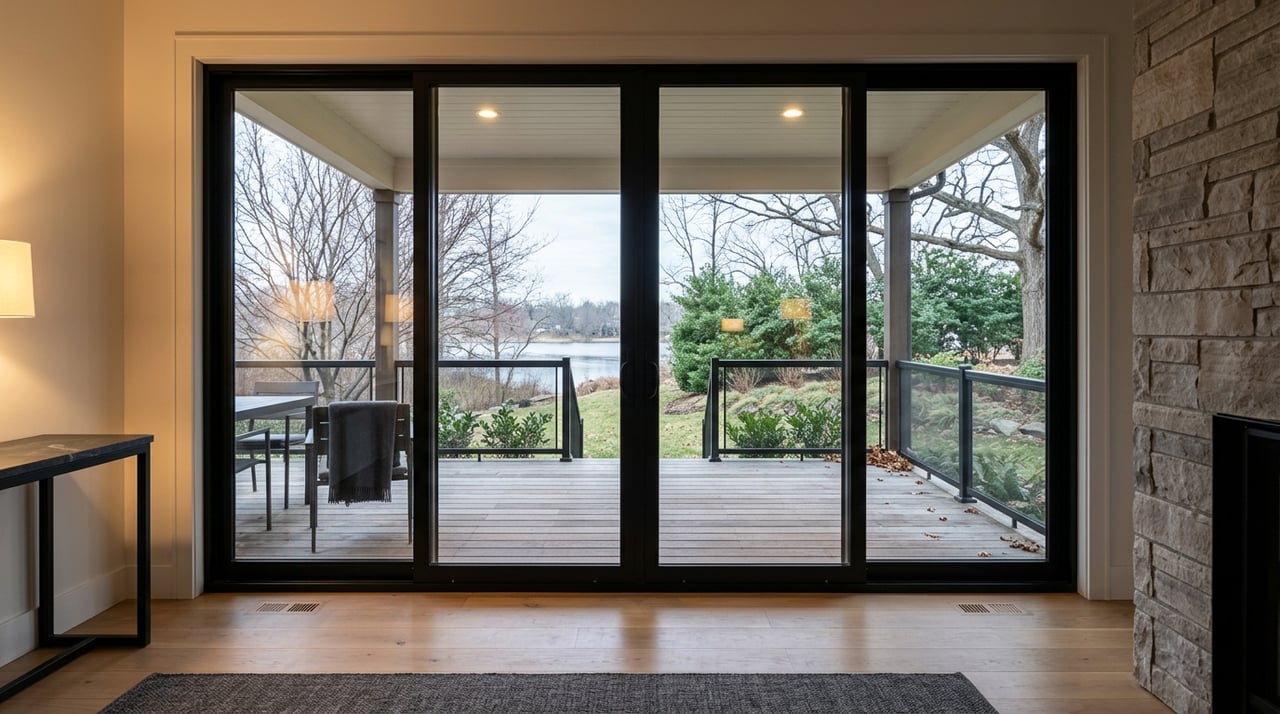
If you picture lake living as one long summer vacation, Lake Anna may surprise you. Life here can be social and high-energy in peak season, but it can also feel quiet, practical, and deeply seasonal depending on where you are on the lake and what time of year it is. If you are thinking about buying, selling, or simply figuring out whether this lifestyle fits you, this guide will help you understand what day-to-day life at Lake Anna is really like. Let’s dive in.
Lake Anna at a Glance
Lake Anna is a large reservoir spanning Louisa, Orange, and Spotsylvania counties. It covers about 9,600 acres, stretches roughly 17 miles, and has around 200 miles of shoreline, with more than 100 communities along the lake.
One of the most important things to understand is that Lake Anna is not one uniform waterfront market. Louisa County distinguishes between the public cold side, which is about 9,000 acres, and the private warm side, which is about 4,000 acres connected by three canals. That split shapes how people talk about access, activity levels, and the overall feel of different parts of the lake.
For many buyers and visitors, the public side is the first introduction to Lake Anna. It includes marinas, parks, and public fishing areas, with nearby restaurants, lodging, vineyards, golf, shopping, and hiking adding to the appeal.
Another reason Lake Anna draws attention is location. Official sources describe it as a manageable drive from Northern Virginia, Richmond, Charlottesville, and Fredericksburg, which helps explain why the area appeals to both full-time residents and second-home buyers.
What Daily Life Feels Like
Living at Lake Anna often means your routine is shaped by the water, the season, and your access point. Some days revolve around boating, fishing, or dining by the water. Other days are more about quiet mornings, short walks, errands, and checking conditions before heading out.
That is an important mindset shift if you are moving from a more traditional suburban neighborhood. At Lake Anna, lifestyle and property decisions are closely tied together. The side of the lake, community setup, shoreline rules, and water conditions can all affect how you use your home.
Spring and Summer at Lake Anna
Spring is when the lake starts to wake up. Activity picks up, trails get busier, and weekend plans start shifting outdoors.
Lake Anna State Park is open daily from dawn to dusk and offers 12 miles of shared trails for hiking, biking, and horseback riding. The park also has cabins and lodges available year-round, which adds to the steady flow of visitors in spring and early summer.
By summer, the pace changes completely. This is the lake’s busiest season, with boating, swimming, tubing, fishing, waterfront dining, and live music becoming part of the weekly rhythm. If you want the classic energetic lake experience, summer is when Lake Anna feels most active.
Virginia’s climate also plays a role in what summer feels like here. Summers are very warm and humid, and afternoon or evening thunderstorms are common. That means lake living in summer is fun, but it also rewards a little planning and flexibility.
Summer Is the Social Season
If you enjoy having things to do close to home, summer at Lake Anna can feel lively without being urban. Official tourism sources highlight waterfront restaurants, breweries, wineries, and live music as key parts of the area’s appeal.
Places like Tim’s at Lake Anna and The Cove are often part of the conversation because they combine waterfront views with casual dining. Areas around the Boardwalk Hotel and Lake Anna Taphouse also help create small social hubs around the lake.
Community events add to that energy. Annual gatherings such as Lakefest, Fourth of July celebrations in Louisa County, and the Lighted Boat Parade help give the lake a real seasonal rhythm.
Fishing Is a Year-Round Lifestyle Feature
If fishing matters to you, Lake Anna offers more than a short summer window. Virginia DWR describes the reservoir as a top bass fishing destination and notes that it frequently hosts tournaments.
The lake is known for species including largemouth bass, striped bass, hybrid striped bass, black crappie, channel catfish, bluegill, white perch, and white catfish. For many owners, that makes fishing part of everyday lifestyle planning, not just a once-in-a-while activity.
Fall and Winter at Lake Anna
Fall tends to bring a slower pace. The heavy summer crowds ease up, and the lake often feels more relaxed.
This is one of the seasons when many people start to appreciate the area’s quieter side. Louisa County promotes Lake Anna as a place for rural peace and beauty away from the city and interstate, and that description makes a lot of sense once the peak summer rush fades.
Winter is also more active than some buyers expect. It is not a dead season, especially if you enjoy time outdoors without the summer crowds.
Virginia DWR identifies Lake Anna as a winter hotspot for striped bass and hybrid striped bass. At the same time, Lake Anna State Park’s cabins and lodges remain available year-round, which supports a quieter winter pattern built more around fishing, short stays, and low-key weekends than beach days.
The Social Side of Lake Living
One of the biggest misconceptions about Lake Anna is that it is only about boats and docks. In reality, the social side of the lake is a meaningful part of the lifestyle.
You have a mix of waterfront dining, county-wide restaurants, wineries, breweries, and seasonal events. That gives the area more variety than many buyers expect when they first start looking.
At the same time, the lake still keeps its rural character. That balance is part of what attracts people who want recreation and community without giving up a more laid-back setting.
Practical Realities of Owning at Lake Anna
The lifestyle is appealing, but waterfront ownership here comes with some practical details you need to understand. This is where local guidance matters most.
For waterfront owners, shoreline development is regulated. Louisa County has specific use and design standards for shoreline development, and reflector requirements apply to structures that extend over the water. The county also directs applicants to Community Development and to the Thomas Jefferson Soil and Water Conservation District for erosion and shoreline stabilization guidance.
That matters because the waterfront features you see in photos are only part of the story. If you are buying or selling a lake property, the shoreline setup, existing structures, and future plans for the lot can all affect the property experience.
Access Matters More Than Many Buyers Expect
Lake Anna access is provided through a mix of private marinas, campgrounds, and Lake Anna State Park. Not every property offers the same day-to-day convenience or recreational feel.
This is why the public-versus-private side conversation matters so much. Locals often use that distinction to explain differences in access, crowding, and water conditions, and those differences can shape your weekends and your long-term expectations as an owner.
In simple terms, Lake Anna works more like a network of communities and access points than one single lake experience. Two homes can both be at Lake Anna and still offer very different lifestyles.
Water Conditions Are Part of Lake Life
A realistic Lake Anna lifestyle guide should mention water monitoring. Conditions are not always the same across the entire lake.
Virginia agencies maintain monitoring and advisory tools for harmful algal blooms, and a swimming advisory was issued for the Upper North Anna Branch in 2024. For day-to-day lake living, that means it is smart to check current advisories before swimming or planning a full day on the water.
This is not about alarm. It is about understanding that waterfront living includes staying informed. Buyers who are comfortable with that usually adjust well to lake life.
What Lake Anna Means for Buyers
If you are considering a purchase here, the best approach is to think beyond the view. A beautiful lot or dock is important, but so are access patterns, seasonal activity, shoreline rules, and how you plan to use the property.
A few smart questions to ask include:
- Which side of the lake is the property on?
- What kind of water access comes with the home or lot?
- Are there shoreline regulations that affect future plans?
- How busy does this area feel in peak summer?
- What does this location feel like in fall and winter?
If you are buying a primary residence, you may care most about year-round routine and convenience. If you are buying a second home, you may focus more on recreation, access, and how the property supports weekends and holidays.
What Lake Anna Means for Sellers
If you are selling at Lake Anna, lifestyle marketing matters because buyers are not just comparing square footage. They are comparing experiences.
The strongest presentation usually shows how the home fits into life at the lake. That can include access, waterfront setting, seasonal use, outdoor features, and the practical details that help a buyer understand ownership.
Clear guidance also matters because many buyers are coming from outside the immediate area. They may know they want “lake life,” but they may not yet understand the difference between one part of Lake Anna and another.
Why Local Guidance Helps
Lake Anna is attractive because it offers recreation, scenery, and a strong sense of place. But it also asks buyers and sellers to pay attention to details that do not always come up in more typical residential transactions.
That includes things like shoreline considerations, access questions, vendor coordination, and understanding how seasonal patterns affect the property. When you have a local advisor who knows how these moving pieces fit together, it becomes much easier to make confident decisions.
If you are trying to decide whether Lake Anna fits your goals, the answer usually comes down to clarity. Once you understand the lake’s seasonal rhythms and practical ownership factors, you can see much more clearly whether a specific home, lot, or community matches the life you want.
If you are thinking about buying or selling at Lake Anna, Josh Harris can help you make sense of the details and move forward with a clear plan.
FAQs
What is Lake Anna like for full-time living?
- Lake Anna can offer an active summer lifestyle and a quieter fall and winter pace, with daily life shaped by your location on the lake, your access, and the season.
What is the difference between the public side and private side of Lake Anna?
- Louisa County distinguishes the public cold side from the private warm side, and that difference can affect access, crowding, water conditions, and the overall feel of ownership.
What should buyers know before buying a waterfront home at Lake Anna?
- Buyers should look beyond the view and understand shoreline regulations, water access, seasonal activity, and how the property fits their year-round or second-home goals.
What outdoor activities are popular at Lake Anna?
- Popular activities include boating, swimming, tubing, hiking, biking, horseback riding, fishing, waterfront dining, and attending seasonal events.
What is Lake Anna like in the winter?
- Winter is quieter than summer, but it is still active for fishing and short stays, with year-round cabins and lodges at Lake Anna State Park supporting off-season visits.
What should residents know about water conditions at Lake Anna?
- Water conditions can vary by area, so residents should check current monitoring and advisory updates before swimming or planning water activities.